
Beauty Powered by Technology: Inside L’Oréal’s Vision for the Future
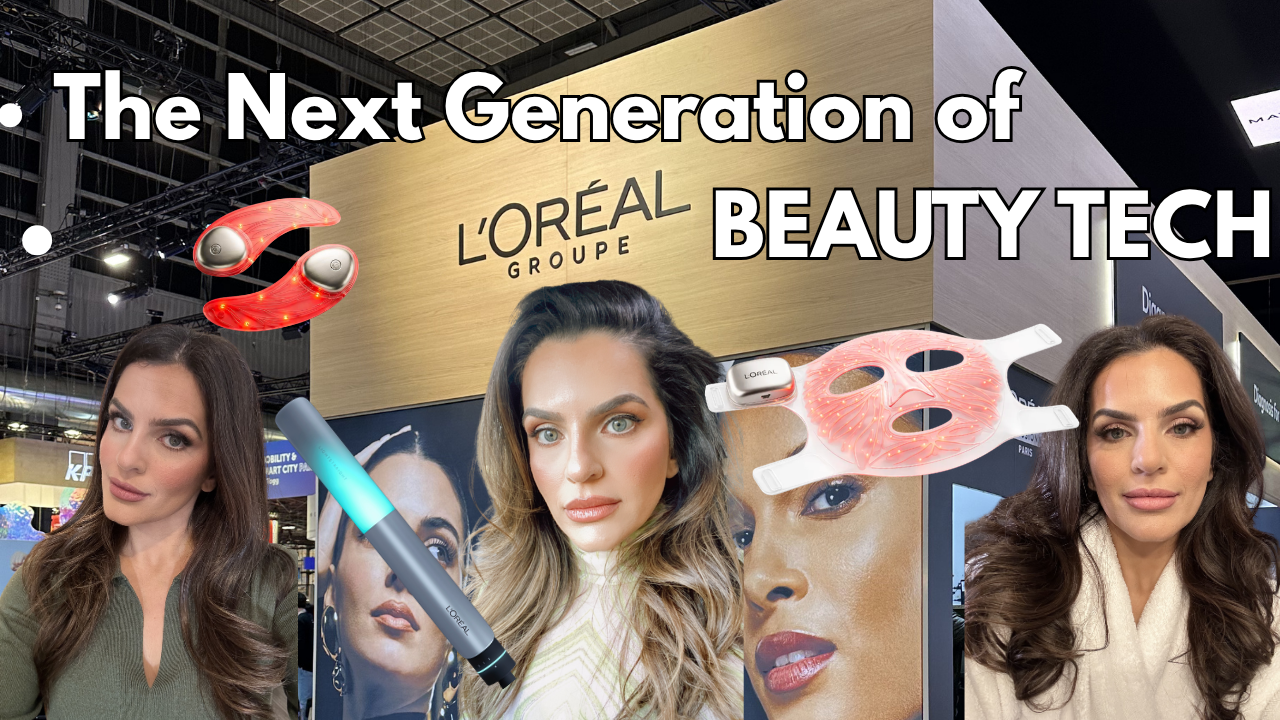
At CES 2026, the intersection of beauty and technology took center stage in a way that felt less like science fiction and more like an inevitable future. In a conversation with L'Oréal’s Global Vice President of Tech and Open Innovation, one message came through clearly: beauty is no longer just about products—it’s about performance, personalization, and powerful technology.
The Rise of “Augmented Beauty”
L’Oréal is championing what it calls “augmented beauty”, a vision where technology enhances and elevates traditional beauty results. The goal? To make highly personalized, high-performance beauty accessible to everyone.
“Beauty powered by technology” isn’t just a slogan—it’s a roadmap. From AI-driven diagnostics to light-powered devices, L’Oréal is investing in tools that help people achieve their ideal beauty outcomes faster, safer, and more effectively.
Infrared Light: A Beauty Game-Changer
One of the biggest innovations showcased this year revolves around infrared light technology. While light therapy has been trending in skincare, L’Oréal is pushing it further—using it not just for subtle improvements, but for real transformation in both skin and hair.
After more than a decade of research, the company has developed a patented way to harness infrared light in consumer-friendly devices—something previously too expensive and complex for everyday use.
Meet “Light Straight”: Reinventing Hair Styling
Among the standout products is Light Straight, a next-generation hair styling tool that replaces traditional heated ceramic plates with infrared light.
Unlike conventional flat irons that reach temperatures of 400°F, this device operates below 300°F—while delivering even better results:
Straightens hair up to three times faster
Leaves hair twice as smooth
Reduces heat damage significantly
Instead of relying solely on extreme heat, Light Straight uses light energy to both heat and shape the hair. It’s a fundamental shift in how styling tools work—one that could redefine an industry that hasn’t changed much in decades.
The Thinnest Light Therapy Mask in the World
Skincare is also getting a major upgrade. L’Oréal introduced a flexible LED mask developed in partnership with startup Ismart. Unlike bulky, rigid masks currently on the market, this one is:
Ultra-thin and flexible
Designed to sit close to the skin for maximum effectiveness
Comfortable and breathable, similar to a sheet mask
The mask uses two clinically proven wavelengths—630nm and 830nm—targeting concerns like fine lines and wrinkles. Backed by studies involving over 1,000 participants, these specific light frequencies have demonstrated measurable improvements in skin quality.
The key difference? Precision. By ensuring the light stays close to the skin rather than diffusing into the air, the device delivers stronger, more consistent results.
Where AI Meets Skincare
Beyond devices, L’Oréal is investing heavily in AI-driven diagnostics. One example is its upcoming cell bioprinting technology, which analyzes biological markers beneath the skin to predict future skin conditions.
This opens the door to a powerful new ecosystem:
AI identifies your skin’s needs
Personalized formulas are recommended
Devices like light therapy enhance ingredient effectiveness
In the future, light itself may activate specific ingredients, creating a synergy between skincare formulas and technology that goes far beyond what either could achieve alone.
The Future: Personalized, Predictive, and Effortless
Looking ahead, the beauty experience is set to become deeply individualized. With advances in AI, biology, and robotics, consumers may soon have access to:
Hyper-personalized skincare based on their unique biology
Smart devices that automate complex beauty routines
Tools that deliver professional-level results at home
Some concepts may sound futuristic—like automated makeup application—but according to L’Oréal, they’re closer than we think.
Launch Timeline
While these innovations are already turning heads, they’re not quite on shelves yet. L’Oréal is targeting a release window around 2027, with teams working to bring these technologies to market as quickly as possible.
Final Thoughts
What stood out most from CES 2026 wasn’t just the technology, it was the shift in mindset. Beauty is no longer just about appearance; it’s about precision, science, and empowerment.
As L’Oréal continues to blur the line between beauty and tech, one thing is certain: the future of beauty isn’t just applied, it’s engineered.